If you’ve ever missed a line of dialogue in a packed cinema, struggled with heavy accents on screen, or simply wished movies felt more accessible, an open caption movie theater might be exactly what you’re looking for.
Open captions are changing how people experience film. They’re not just for the Deaf and hard-of-hearing community. They’re for multilingual viewers, neurodivergent audiences, families with kids, and honestly—anyone who doesn’t want to miss a single whispered plot twist.
This guide breaks down what open caption movie theaters are, how they work, where to find them, why they matter, and how to make the most of them. No corporate fluff. Just clear, practical insight.
What Is an Open Caption Movie Theater? 🎥📝
4
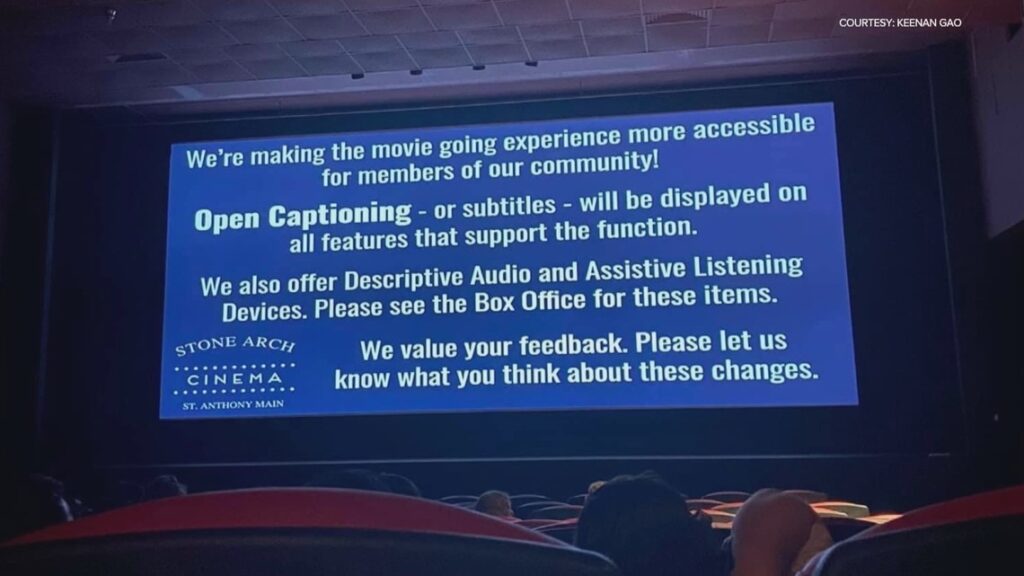
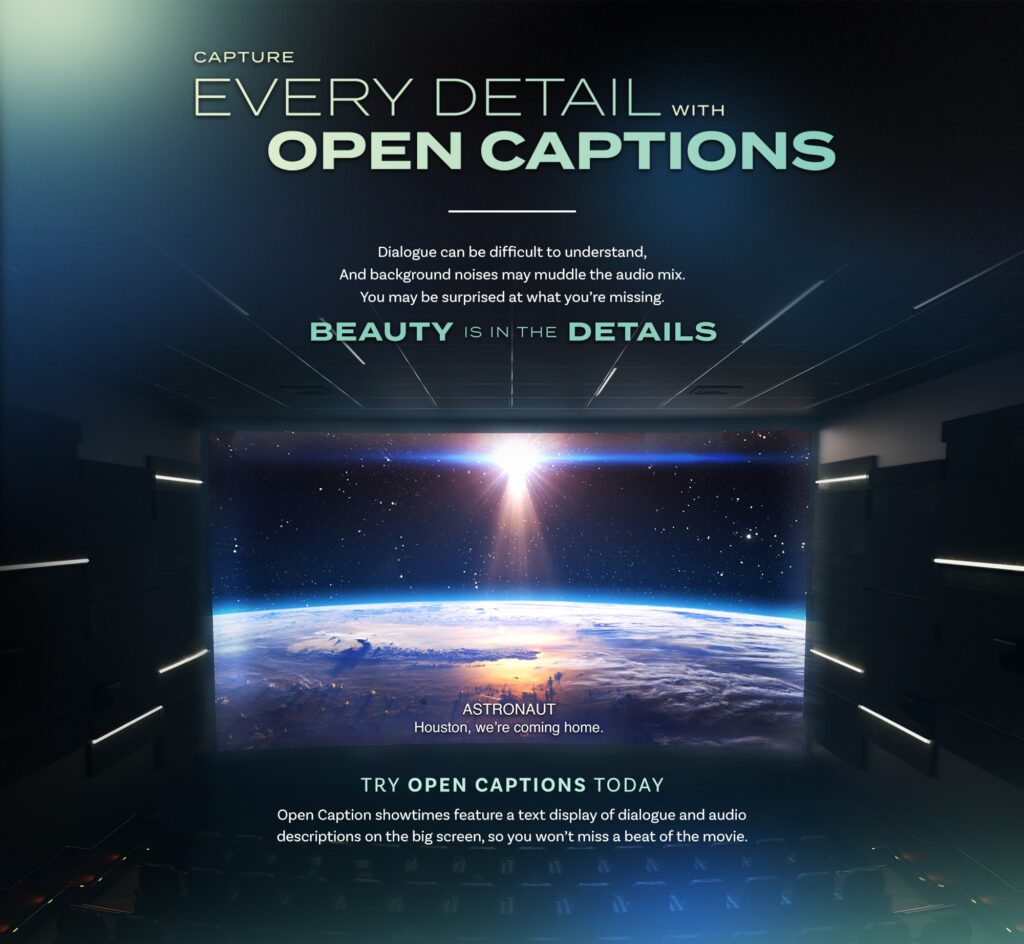
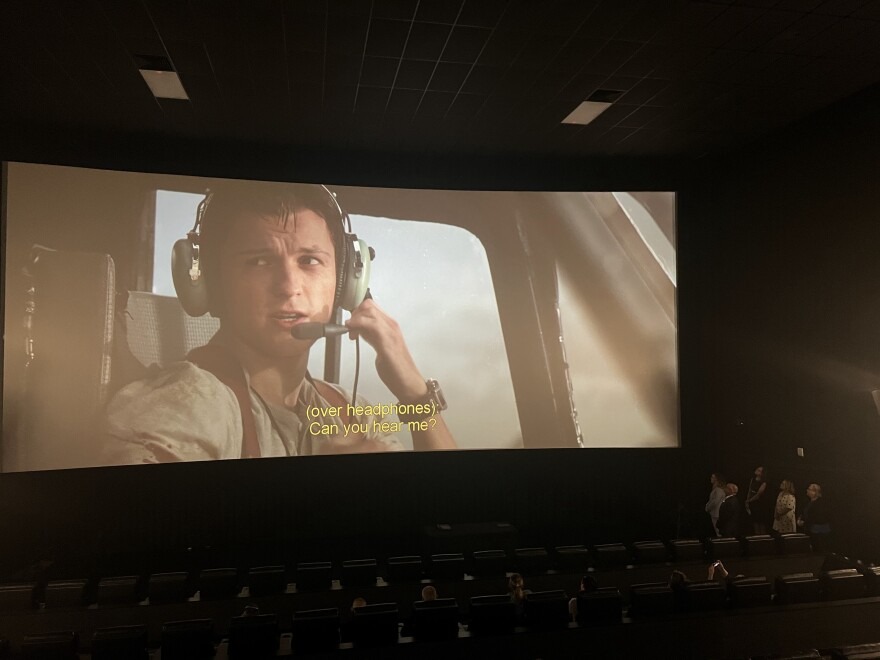
An open caption movie theater is a cinema screening where captions are permanently displayed on the screen for everyone to see.
Unlike closed captions—which require special devices—open captions are visible to the entire audience.
Here’s what that means in practice:
- The captions appear directly on the screen.
- No glasses, no personal devices, no extra equipment.
- Everyone in the theater sees the text.
- Dialogue, sound effects, and music cues are often included.
- You don’t have to request anything special.
It’s simple. It’s inclusive. And it’s surprisingly powerful.
Open Captions vs. Closed Captions: What’s the Difference? 🔍
Many people confuse the two, so let’s clear it up.
| Feature | Open Captions | Closed Captions |
| Visible to everyone | Yes | No |
| Requires equipment | No | Yes (devices or glasses) |
| Always on | Yes | Optional |
| Accessibility focus | Community-based | Individual-based |
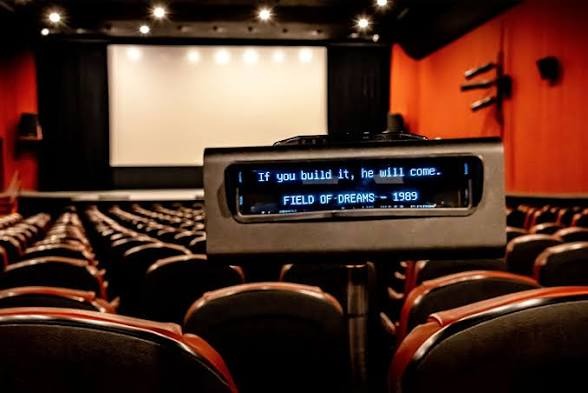
Closed captions are typically accessed through:
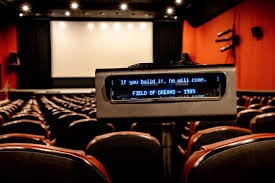
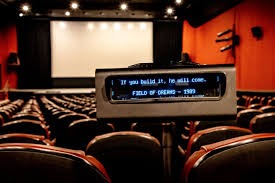
- Captioning glasses
- Seat-mounted devices
- Personal receivers
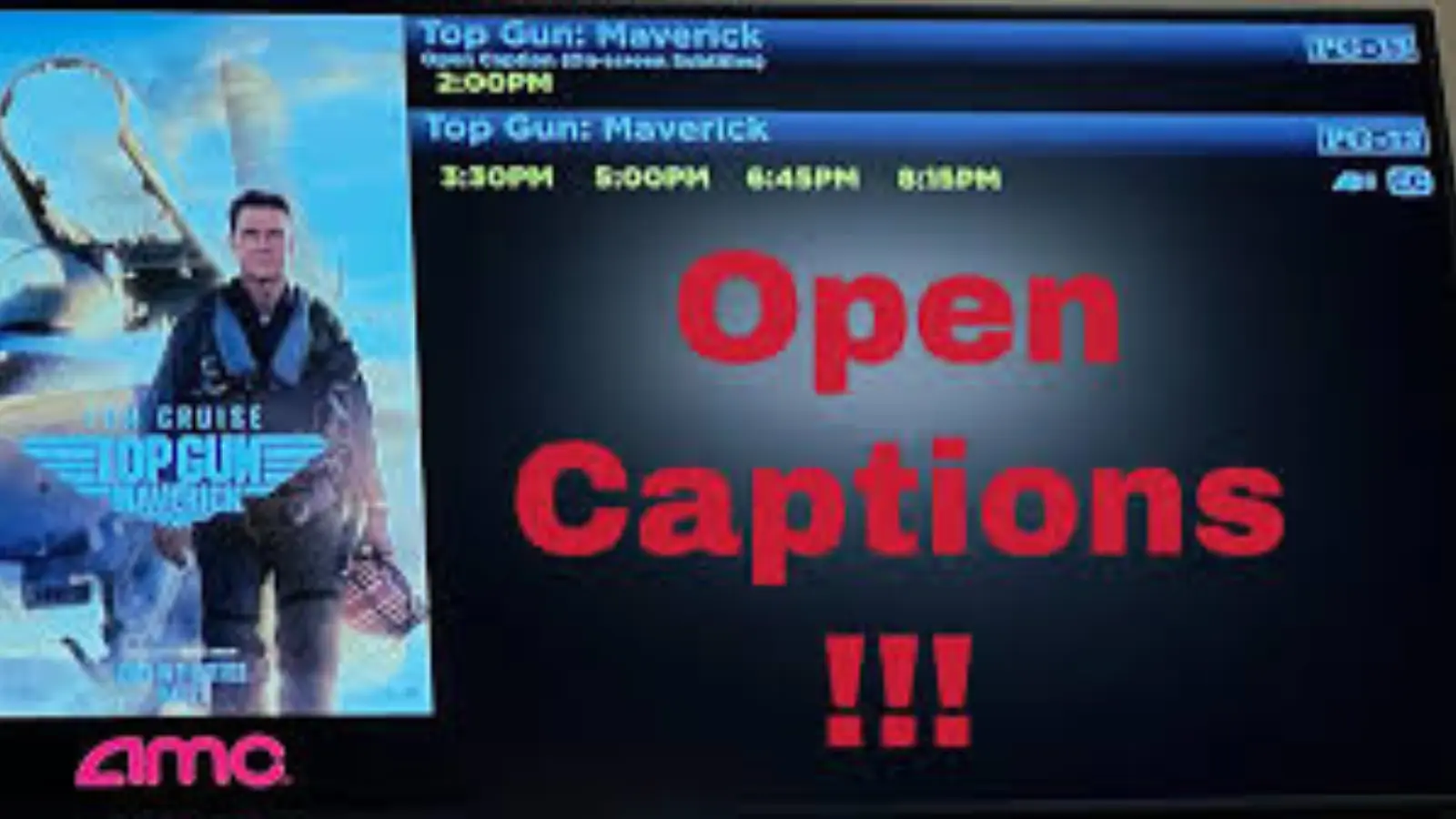
Some major theater chains like AMC Theatres and Regal Cinemas offer both options, but open caption screenings are usually listed as specific showtimes.
The key difference?
Open captions create a shared experience instead of isolating accessibility.
Why Open Caption Movie Theaters Matter 💛
This isn’t just a convenience feature. It’s about equal access.
Open captions matter because:
- Deaf and hard-of-hearing viewers don’t have to rely on malfunctioning devices.
- There’s no stigma or awkward equipment setup.
- Families can attend together without splitting accessibility tools.
- International audiences benefit immediately.
- Neurodivergent viewers can process dialogue more comfortably.
- Accents and quiet scenes become clearer.
- No missed plot details in loud action sequences.
Accessibility done right doesn’t single people out. It integrates everyone.
Who Benefits from Open Caption Screenings? 👥
You might think it’s a niche audience. It’s not.
Open captions support:
- Deaf viewers
- Hard-of-hearing audiences
- ESL (English as a second language) viewers
- Auditory processing disorder communities
- Autistic viewers
- People watching films with strong regional accents
- Older adults with mild hearing loss
- Anyone who loves catching every line
Even blockbuster films like Oppenheimer and Barbie had open caption screenings in multiple locations because demand is growing.
This isn’t a trend. It’s a shift.
How to Find an Open Caption Movie Theater Near You 📍
4
Here’s how to locate one quickly:
- Check your local theater’s website.
- Look under “Accessibility” or “OC” showtimes.
- Search “Open Caption” in showtime filters.
- Call and ask directly (yes, it’s still effective).
- Use Google search: open caption movie theater near me.
- Follow local theaters on social media for updates.
Chains like Cinemark Theatres and Alamo Drafthouse Cinema often list open caption screenings clearly in their schedules.
Pro tip: They’re often scheduled during off-peak hours at first. But demand is expanding.
What to Expect During an Open Caption Screening 🎞️
If you’ve never attended one, here’s what it feels like:
- The captions appear consistently throughout the film.
- They’re usually centered near the bottom of the screen.
- Sound effects may appear in brackets (e.g., [door creaks]).
- Music cues may be labeled (e.g., [dramatic score]).
- No additional brightness or distortion.
- No distraction after the first few minutes.
Most viewers report adjusting within 5–10 minutes. After that? It feels natural.
Some even say they prefer it.
Are Open Captions Distracting? Let’s Be Honest 🤔
Short answer: only at first.
Long answer: your brain adapts quickly.
Here’s what usually happens:
- You glance at the captions occasionally.
- During fast dialogue, you rely on them more.
- During clear dialogue, you barely notice them.
- Your comprehension increases.
- You miss fewer plot points.
Think about watching foreign films with subtitles. Once you adjust, it becomes seamless.
And for many viewers, captions reduce cognitive strain rather than increase it.
The Legal & Accessibility Angle ⚖️
In the United States, movie theaters must comply with the Americans with Disabilities Act (ADA). While the ADA requires captioning options, it does not mandate open captions at all screenings.
However, advocacy efforts and public demand are pushing more theaters to include:
- Regularly scheduled open caption showings
- Clear labeling in ticket systems
- Community accessibility nights
- Caption-friendly premiere events
Accessibility isn’t just compliance. It’s smart business.
When theaters host open caption screenings for films like The Little Mermaid, they often see new audiences who previously avoided theaters.
Tips for Theater Owners Considering Open Captions 🏢
If you manage a cinema, here’s the strategic angle:
- Promote it clearly — ambiguity reduces attendance.
- Schedule at least one prime-time slot weekly.
- Train staff to explain the difference.
- Gather audience feedback.
- Partner with local Deaf communities.
- Market it as inclusive, not niche.
- Highlight family-friendly benefits.
Open caption movie theaters aren’t losing business. Many are expanding it.
Why Younger Audiences Actually Prefer Captions 📱
This is where culture shifts.
Gen Z grew up on:
- Subtitled TikTok videos
- Captioned YouTube content
- Streaming platforms with default captions
Netflix, Hulu, and other platforms normalized captions. Watching films without them now feels incomplete to some viewers.
For younger audiences, captions:
- Improve meme-worthy quote retention
- Help understand layered dialogue
- Enhance accessibility awareness
- Feel standard, not special
Theaters that ignore this shift may fall behind.
Streaming vs. Open Caption Movie Theater: Which Wins? 🏠🍿
Streaming platforms make captions easy. But theaters offer:
- Immersive sound design
- Massive screens
- Shared emotional reactions
- Event-level excitement
An open caption movie theater combines the best of both worlds:
- Accessibility like streaming
- Atmosphere like cinema
You don’t have to choose anymore.
Real Experiences from Open Caption Audiences 💬
Common feedback includes:
- “I finally didn’t miss any dialogue.”
- “I felt included without special equipment.”
- “It helped my kids follow the movie.”
- “I didn’t realize how much I rely on captions.”
What stands out most?
People feel respected. Not accommodated quietly. Respected openly.
That’s a powerful distinction.
The Future of Open Caption Movie Theaters 🚀
4
The industry is evolving.
What we’re likely to see:
- More weekly open caption slots.
- Better labeling in ticket apps.
- Wider public awareness.
- Community-driven demand.
- International standardization.
Accessibility tends to start as optional and end as expected.
Open caption movie theaters are on that path.
Conclusion 🎬💬
An open caption movie theater isn’t just about text on a screen.
It’s about clarity. Inclusion. Shared experience.
Whether you’re Deaf, hard-of-hearing, learning English, processing audio differently, or simply tired of missing whispered dialogue, open captions remove friction.
And when friction disappears, enjoyment increases.
If you haven’t tried an open caption screening yet, go to one. Experience it. Notice how much you catch. Notice how much easier it feels.
The future of cinema isn’t just louder or bigger.
It’s more accessible.
And that’s a win for everyone.
J.K. Rowling ne Harry Potter series likhi, jo duniya bhar mein bohat popular hai. Unki stories magic aur adventure se bharpur hoti hain.